Last Orders: The Vanished Alehouses That Made Cambridge's Drinking Soul
Last Orders: The Vanished Alehouses That Made Cambridge's Drinking Soul
Cambridge gets talked about in hushed, reverent tones. The punts, the cobblestones, the colleges rising like stone ships above the Fens. But spend enough time here — particularly in the company of anyone who's been drinking in this city for more than a decade — and a different kind of reverence emerges. It's the kind reserved for places that no longer exist. For pubs that once anchored whole communities and now live only in faded photographs, local memory, and the occasional ghost sign bleeding through a repainted wall.
This is a toast to those places. A proper one, pint raised.
The Tap Room as Lecture Hall
It's easy to forget that Cambridge's pub culture and its academic culture were never really separate things. Long before the university had purpose-built common rooms and senior combination rooms, the alehouses of the city served as the default gathering places for scholars and their students alike. Heated arguments about theology, natural philosophy, and later, politics — much of it happened over ale.
The Eagle on Bene't Street, thankfully, still stands and still pours. But many of its contemporaries didn't survive. The Hoop, which once operated near Christ's Lane, was a regular haunt for students throughout the 18th century before eventually being absorbed into expanding college property. Local historian Dr. Margaret Farrow, who has spent years cataloguing Cambridge's lost licensed premises, puts it plainly: "The colleges didn't just expand outward. They consumed the social spaces around them. Pubs were often the first casualty."
That pattern — institution swallowing community — repeated itself across centuries and continues in subtler forms today.
The River Pubs: Washed Away
The stretch of the Cam between Magdalene Bridge and Jesus Green once bristled with riverside drinking establishments that served bargemen, college servants, and the occasional daring student. The Jolly Waterman, a low-ceilinged establishment that reportedly dated back to the early 1700s, stood near the old quayside and was famous for its rough cider and rougher clientele. By the late Victorian era it had been demolished to make way for improved riverbank access — a decision that probably made perfect sense to a town planner and would make any beer historian weep.
Archive photographs held at the Cambridgeshire Collection show the Jolly Waterman in its final years: a timber-framed building leaning slightly toward the water as if it had been drinking its own product. The sign above the door is barely legible. There's a man standing in the doorway, arms folded, expression unreadable. No one knows who he is. He looks like a landlord who knows what's coming.
These river pubs weren't just drinking spots. They were the social infrastructure of working Cambridge — the places where agreements were struck, arguments settled, and news shared before newspapers were widely read. Losing them wasn't just a loss of architecture. It was a loss of function.
The Postwar Clearances
If the Victorian era was hard on Cambridge's pubs, the postwar decades were brutal. The slum clearances of the 1950s and '60s, necessary in many respects and disastrous in others, tore through the tightly packed streets around the Kite area — the neighbourhood east of the city centre — and with them went a cluster of locals that had served working families for generations.
The Locomotive on Gwydir Street survived (and survives still, bless it). But the nearby Prince Albert and the less romantically named Beer House on Sturton Street were gone by 1965, replaced by housing that itself has now been replaced again. Local drinker and CAMRA Cambridge branch member Terry Hollis remembers his father talking about the Beer House. "He said it was the sort of place where nobody asked questions and everyone knew everyone. It wasn't fancy. It was just... necessary."
That word keeps coming up when you talk to people about lost pubs. Necessary. Not optional. Not a luxury. A part of how a neighbourhood breathed.
What the Chains Left Behind
The more recent wave of pub closures carries a different character — less about demolition, more about transformation. The number of Cambridge pubs that have become restaurants, flats, or, in one particularly grim case, a payday loan office, is quietly staggering. The 1990s and 2000s saw the managed decline of dozens of community locals as pubcos prioritised high-volume, high-margin sites and let the rest wither.
Some of those buildings still stand, wearing their former identities like palimpsests. Walk down certain Cambridge streets and you'll spot the give-away signs: an ornate Victorian tile surround above a doorway that's now a letting agency. A fanlight etched with the name of a brewery long since absorbed into a conglomerate. The ghost of a pub menu chalked on a board that's been painted over but not quite obliterated.
The Living Legacy: Cambridge's Craft Scene Picks Up the Thread
Here's the thing, though — and it's important — Cambridge's beer story didn't end with those closures. If anything, what's happening now in the city's craft brewing scene feels like a direct, if unconscious, response to all that loss.
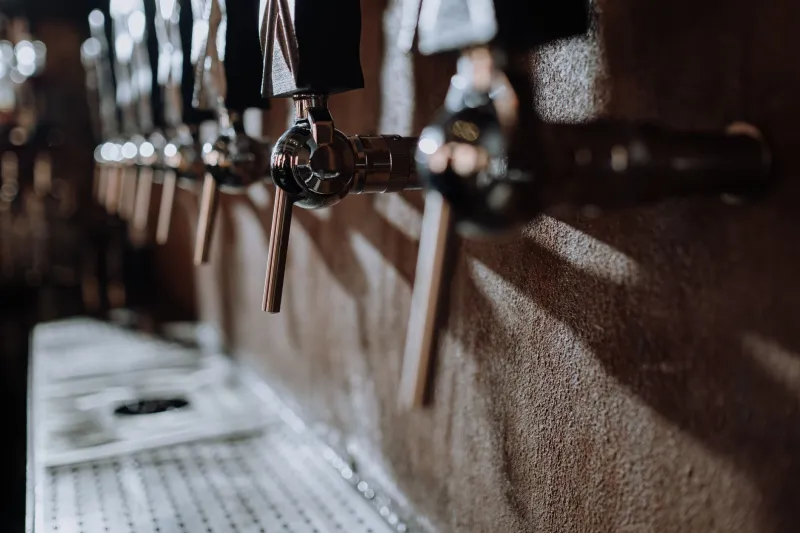
Breweries like Moonshine, operating out of the city's fringes, and the endlessly inventive Cambridge Brew House on King Street, are doing something that goes beyond making good beer. They're rebuilding the idea of what a brewing community looks like. Tap rooms that genuinely welcome regulars. Beer that's made with the locality in mind. Events that turn drinking into conversation.
It's not nostalgia, exactly. It's more like a refusal to let the function of those old pubs disappear along with the buildings themselves.
Dr. Farrow, who admits she's not much of a drinker but has spent more time in breweries than she ever expected, sees the connection clearly. "The lost pubs were about belonging," she says. "The new places, the good ones, they understand that too. The beer is almost secondary."
Almost. We'd still argue the beer matters quite a lot.
Raising a Glass to What's Gone
Next time you're in Cambridge, do something slightly melancholy and entirely worthwhile. Walk the streets with an eye for what's missing. Look for the bricked-up cellar flaps, the ornamental ironwork that doesn't quite match the building it's attached to, the pub-shaped spaces in terraces where a terrace ought not to have a gap.
Think about the Jolly Waterman leaning toward the river. The Beer House on Sturton Street where nobody asked questions. The Hoop, full of 18th-century students arguing about things that probably seemed very urgent at the time.
Then, if you're near enough to a good Cambridge tap room, go in. Order something local. Start a conversation with a stranger.
The pubs are gone. The drinking culture they built is stubbornly, beautifully alive.