Frozen in Time: The Unrenovated British Pubs Where the Clock Stopped Decades Ago
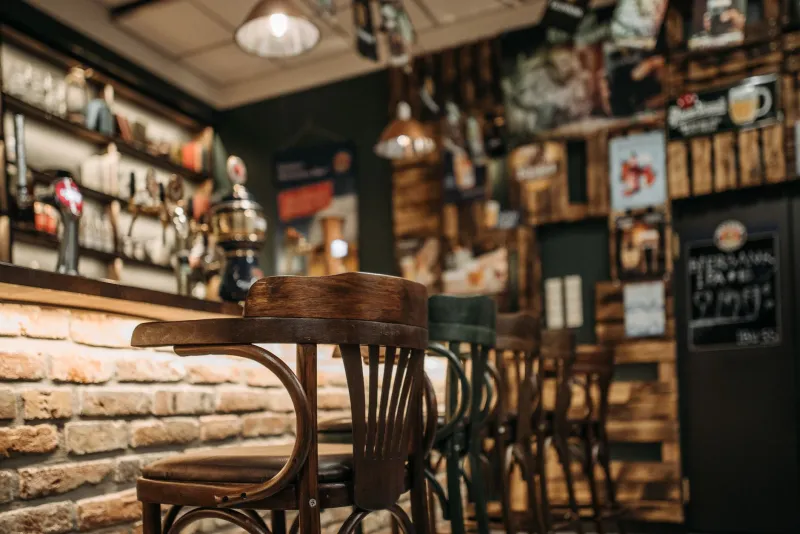
There's a particular kind of magic that hits you the moment you push open the door of a pub that hasn't changed since Harold Wilson was in Downing Street. The lino floor, slightly sticky at the edges. The fixed bench seating upholstered in something that might generously be called burgundy. A dart board with a surround worn smooth by decades of chalky hands. And behind the bar, a row of handpumps that look like they were installed when the world was younger and nobody had yet thought to describe a pint of bitter as "sessionable."
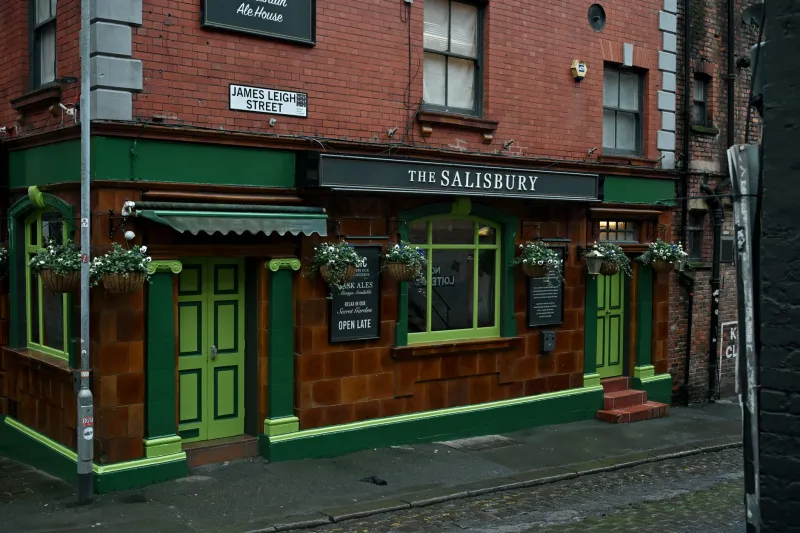
These pubs exist. Not many of them, mind — but they're out there, and if you know where to look, they'll reward the effort with something no amount of reclaimed timber and Edison bulbs can replicate: the genuine, unmediated feeling of walking into British pub culture as it actually was.
What Makes a Pub a True Time Capsule?
CAMRA — the Campaign for Real Ale — has been documenting Britain's most historically significant pub interiors for years through its National Inventory of Historic Pub Interiors. It's a list that reads like a love letter to the unremarkable and the overlooked: smoke rooms with their original etched glass, tap rooms with quarry-tiled floors, snug bars barely wide enough to swing a bar towel. The criteria are strict. To qualify, an interior must retain its historic fabric substantially intact — no cosmetic "sympathetic restoration" that swaps out the original bar counter for something that merely looks old.
The result is a catalogue of around 280 pubs across the UK that represent genuinely irreplaceable pieces of social history. And increasingly, they're becoming destinations.
The Draw of the Unchanged
Ask anyone who's made a deliberate trip to one of these pubs what pulled them there, and you'll get answers that go well beyond beer appreciation. There's something almost archaeological about it — the sense that the room you're sitting in has absorbed decades of conversation, argument, celebration, and quiet contemplation, and that the walls, the fixed seating, and the bar itself are witnesses to all of it.
Paul, a retired schoolteacher from Sheffield who describes himself as a "pub interior nerd of the highest order," has visited over sixty CAMRA-listed historic interiors in the past eight years. "It's not nostalgia for nostalgia's sake," he says. "It's about understanding that these rooms tell you something true about how ordinary people lived. A Victorian gin palace says something. A 1930s roadhouse says something. A 1950s estate pub says something completely different. Once they're gone, that conversation is over."
That sense of irreversible loss is part of what makes the surviving examples feel so precious. For every pub that's made it through the gastropub boom, the craft beer revolution, and the post-pandemic refurb frenzy with its original fittings intact, dozens more have been gutted, stripped back, or simply closed.
The Landlords Who Said No
Keeping a pub unchanged isn't passive. It's an active, daily act of resistance against commercial logic that almost always points in the opposite direction. Brewery ties, pub company representatives, insurance assessors, and well-meaning regulars all, at various points, tend to suggest that a fresh coat of paint wouldn't go amiss, that the carpet really ought to be replaced, that customers these days expect a certain standard.
The landlords who've held the line tend to share a few qualities: a deep-seated stubbornness, a genuine affection for the space as it stands, and — crucially — a clear-eyed understanding that what they've got is irreplaceable. Replace it, and you've got another pub. Keep it, and you've got something genuinely rare.
At one celebrated example in the north of England, the current licensee — third generation of the same family — describes fielding regular calls from developers and pub companies over the years. "They always say the same thing. 'We'd keep the character.' And I always say the same thing back: 'You'd keep your version of it, which isn't the same thing at all.'" The fixed bench seating in the tap room has been there since the early 1960s. The bar back is original. The handpumps were installed before he was born. He has no intention of changing any of it.
More Than Just Beer
What's interesting is how these spaces have begun attracting visitors who aren't primarily beer enthusiasts at all. Architectural historians, interior designers, photographers, and social historians have all started appearing in pubs that previously served only their immediate communities. The CAMRA inventory has, almost accidentally, created a heritage trail that crosses the country.
Some of these pubs have become genuinely famous within certain circles. The Fleece Inn at Bretforton in Worcestershire, with its flagstone floors and pewter collection. The Philharmonic Dining Rooms in Liverpool, where the gents' toilets are Grade I listed. The Bartons Arms in Birmingham, a tiled masterpiece that could stop traffic if it were in Vienna. These are buildings that command attention — and increasingly, they're getting it.
But the quieter examples matter too. The estate pub in a Midlands town that still has its original hatch serving a corridor bar. The seaside local in the north-east that never replaced its 1970s wallpaper because nobody quite got around to it and now everyone's rather glad they didn't. These are the ones that feel most alive, most connected to the communities that built them.
The Tension That Won't Go Away
For all their charm, Britain's time-capsule pubs exist in a state of permanent commercial tension. Running a pub is expensive, and the margins in the trade have never been tighter. The temptation to modernise — to chase food revenue, to install a coffee machine, to resurface the car park and put up some fairy lights — is entirely understandable. Nobody running a pub at a loss is doing heritage a service.
The pubs that have survived intact tend to have found a way to make the authenticity itself commercially viable, even if that was never the original intention. Word of mouth brings beer tourists. The CAMRA listing brings curious visitors. The sheer unusualness of a room that looks genuinely, verifiably old — not styled to look old, but actually old — turns out to be a draw that no amount of interior design can manufacture.
Why It Matters for Beer Culture
For anyone serious about British beer, these spaces matter beyond their visual appeal. The handpump served in a room that's barely changed in fifty years tastes, if not literally different, then experientially richer. Context shapes perception — and drinking a pint of cask bitter in a tap room with original fixed seating, a dartboard that's seen better decades, and a bar counter worn smooth by generations of elbows is a different experience from drinking the same beer in a unit on an industrial estate that's been dressed up to look traditional.
Britain has lost an enormous amount of its pub heritage. The National Inventory exists partly to document what remains, partly to make the case for protecting it. But the most persuasive argument for preservation isn't written in any report — it's the feeling you get when you walk through the door of one of these places and realise, without anyone telling you, that something real has survived here.
Go and find one. Take your time. Order something from the cask. And try not to feel too smug about the fact that you got there before someone with a mood board and a budget did.