Poured by the Season: How Britain's Shrewdest Brewers Let the Calendar Run the Tap List
Poured by the Season: How Britain's Shrewdest Brewers Let the Calendar Run the Tap List
There's a particular kind of pub magic that happens when the chalkboard behind the bar changes with the weather. Not because a keg ran dry, but because the landlord — or the brewer down the road — decided that what you should be drinking in November is simply not what you should be drinking in May. It sounds obvious when you say it out loud. And yet, for years, the British pub tap list has been stubbornly static, the same five or six handles week after week, season after season.
That's changing. Quietly, and with genuine conviction, a growing number of breweries and publicans across Britain are returning to something older: the idea that beer, like food, should follow the calendar.
The Philosophy Behind the Pour
Seasonal brewing isn't a new concept, of course. Before refrigeration, before global hop contracts, before the industrial standardisation of malts, it was simply how things were done. Summer meant lighter, lower-alcohol ales brewed to quench a harvest thirst. Winter demanded something richer — dark, malt-forward beers that could sustain body and spirit through the cold months. The logic was agricultural and practical.
What's different now is that brewers are choosing seasonality as a statement. It's a deliberate rejection of the always-on, always-available model that the craft boom, for all its virtues, somewhat encouraged. "We could brew our pale ale every week of the year," says one Yorkshire brewer who rotates four entirely distinct seasonal ranges. "But then what are you looking forward to? What's the story?"
That question — what's the story? — turns out to be central to the whole movement.
Autumn: The Hops Come Home
If there's one season that makes British brewers genuinely giddy, it's harvest time. The annual hop harvest in Worcestershire and Kent — still the backbone of British hop growing — runs roughly from late August into September, and the freshest brewers are there to collect. Wet hops, used within hours of picking, produce a grassy, almost vegetable-forward bitterness that you simply cannot replicate from a pellet.
Breweries like Burning Sky in East Sussex and Thornbridge in Derbyshire have made wet-hop seasonal releases something of an annual event — beers brewed once, in limited quantity, and gone before the leaves finish falling. Regulars plan around them. Some drive across counties. The scarcity isn't a marketing trick; it's a genuine function of the ingredient's fleeting nature.
Beyond hops, autumn also brings fruit. Sloe, damson, crab apple, and quince have all found their way into seasonal ales and porters, particularly among smaller farm-based breweries in the West Midlands and the Welsh Marches. These aren't sweet novelties — at their best, they're complex, slightly tannic beers that taste unmistakably of a particular hedgerow in a particular county at a particular time of year.
Winter's Warming Logic
When the nights close in, the tap list should close in with them. That's the view of landlords like those running some of Britain's most respected free houses, who actively clear lighter summer ales from their pumps once the clocks go back and replace them with stouts, barleywines, and Baltic porters.
The logic is straightforward: a 3.8% session pale that's perfect on a long June evening feels thin and unsatisfying in a candlelit pub in January. Winter calls for something with weight — roasted malt, chocolate, a hint of molasses. Breweries like Elland in West Yorkshire, whose 1872 Porter has become something of a cult winter staple, understand this instinctively. It's not brewed year-round. It arrives when it's needed and departs when it's not.
There's also a growing interest in spiced winter ales — not the heavy-handed cinnamon-and-clove Christmas ales that can feel more like mulled wine than beer, but subtly botanical brews using things like yarrow, heather, and dried citrus peel. Several smaller Scottish breweries have been particularly inventive here, drawing on a pre-hop herbal brewing tradition that stretches back centuries.
Spring Botanicals and the Art of the Refresh
Perhaps the most underrated seasonal moment in British brewing is the spring release. As temperatures nudge upward and the first green appears in the hedgerows, brewers begin reaching for lighter, fresher ingredients — elderflower, nettles, gorse blossom, and early-season fresh yeast strains that produce a livelier, more expressive fermentation character.
Some of the most exciting spring beers being brewed in Britain right now barely feature in the national conversation, simply because they're available for six weeks and then gone. Breweries in the Yorkshire Dales and the Lake District have been particularly active in this space, making small-batch botanical ales that read almost like a field guide to the local landscape.
Why Landlords Are the Unsung Heroes
For seasonal brewing to mean anything at all, publicans have to be willing participants. A brewer can make the most exquisite harvest ale imaginable, but if the landlord won't clear a pump to stock it — because the regular who drinks the same lager every Friday might complain — the whole thing falls flat.
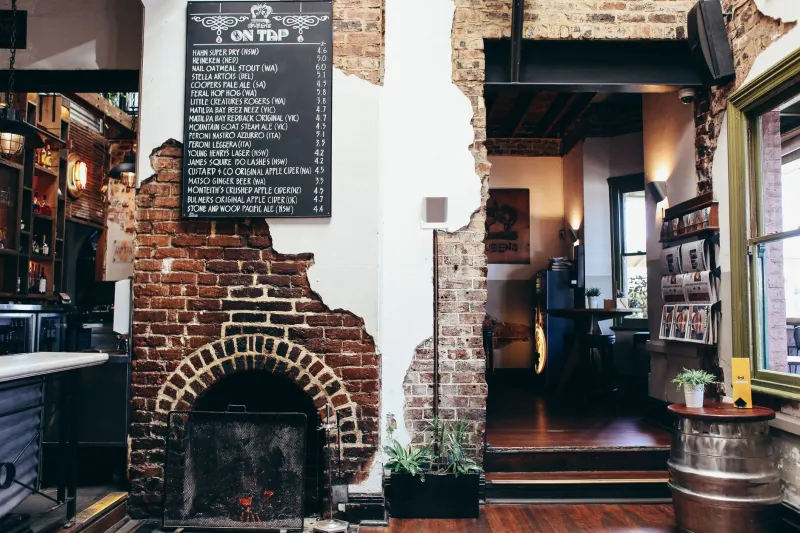
The pubs that do this best tend to be the ones that treat their tap list as a kind of editorial statement. They communicate with their customers, explain what's on and why, and build a culture of curiosity rather than comfort. Chalkboards are key. There's something about handwritten seasonal notes — "brewed with fresh Kentish hops, September 2024, only 9 casks" — that no printed menu can replicate. It signals that what you're about to drink is temporary, specific, and worth paying attention to.
Drinking in Time
The best argument for seasonal brewing isn't romantic or nostalgic. It's sensory. Beer brewed with ingredients at their freshest, matched to the weather you're drinking it in, simply tastes better than the alternative. A wet-hop harvest ale drunk in a pub garden in late September, with the smell of woodsmoke starting to drift across the car park, is a different experience entirely from the same style drunk in February from a long-stored keg.
Britain has always had a deep, instinctive connection between its landscape and its drinking culture. Seasonal brewing is, in many ways, just a return to that — a reminder that the best pint isn't always the one that's always available. Sometimes it's the one you had to wait for.