Treacle Tart in a Tulip Glass: How Britain Learned to Stop Worrying and Love the Silly Pint
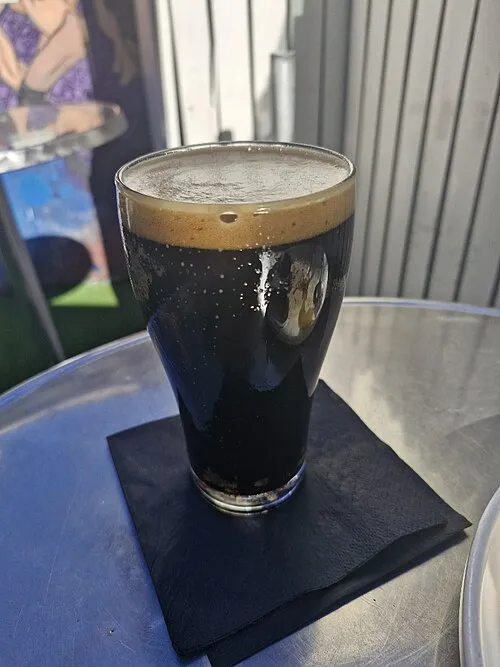
There's a moment, somewhere around the second sip, when you either get it or you don't. The pastry stout sitting in front of me at a busy taproom in Sheffield tastes, quite unambiguously, of treacle tart. Biscuity base, golden syrup sweetness, a whisper of lemon zest. It shouldn't work. It absolutely does.
A decade ago, this beer would have been a novelty act — a one-off brewed for a festival laugh, never to be seen again. Today, it sold out its run in a fortnight. Welcome to the age of the weird pint.
From Punchline to Prestige
The story of Britain's experimental brews is really a story about confidence. When American-style craft beer first washed over these shores, the rulebook was strict: hops, balance, drinkability. Anything sweeter than a pale ale was suspect. Anything involving lactose, vanilla or — heaven forbid — actual pudding ingredients was dismissed as 'craft beer for people who don't like beer.'
That attitude has evaporated, and quickly. Walk into any self-respecting taproom from Bristol to Berwick and you'll find a chalkboard that reads like a dessert menu. Sticky toffee stouts. Lemon meringue sours. Milkshake IPAs thick enough to stand a spoon in. One brewery in Leeds recently released a beer brewed with actual Christmas pudding, and the queue snaked round the block.
What changed? Partly, it's the brewers themselves. A generation raised on milkshakes and frappuccinos came into brewing unburdened by ideas about what beer 'should' taste like. They saw the mash tun as a kitchen, not a museum.
The Brewer's Dilemma
'It's harder than people think,' one Yorkshire brewer told me, over a beer that tasted of blueberry cheesecake. 'Anyone can chuck a load of vanilla in. The trick is making it taste deliberate. If it tastes like a gimmick, you've failed. If it tastes like a dessert someone actually wanted to eat, you've made something worthwhile.'
That distinction matters. The best of the weird pints — the sours brewed with real fruit until they're tart and alive, the stouts built layer by layer like a proper pudding — are technically demanding beers. Balancing sweetness against acidity against body is brewing at its most precise. The gimmicks, on the other hand, tend to announce themselves within half a pint and never get ordered again.
So Should a Pint Taste Like Pudding?
Purists will tell you no, and there's something to their argument. Beer has always been a drink of the everyday — a pint to settle into, not to interrogate. There's a risk that as tap lists get zanier, the quiet pleasures of a well-kept bitter get drowned out by the noise.
But spend a Friday evening in a good taproom and watch what people actually order. They start curious. They end happy. And crucially, the weird pint is a gateway — plenty of drinkers who arrived for the pastry stout end up staying for the pale ale they'd never have tried otherwise.
Besides, British brewing has always had a sense of humour about itself. A pint that tastes like treacle tart is just the latest chapter in a long national tradition of not taking things too seriously — while taking the brewing itself very seriously indeed.
Order the strange one. If it's terrible, you've got a story. If it's brilliant, you've found your new favourite. Either way, the pint wins.