Pulling the Pin: The Quiet Retreat from Cask Ale and What It Says About the British Pub's Uncertain Future
Pulling the Pin: The Quiet Retreat from Cask Ale and What It Says About the British Pub's Uncertain Future
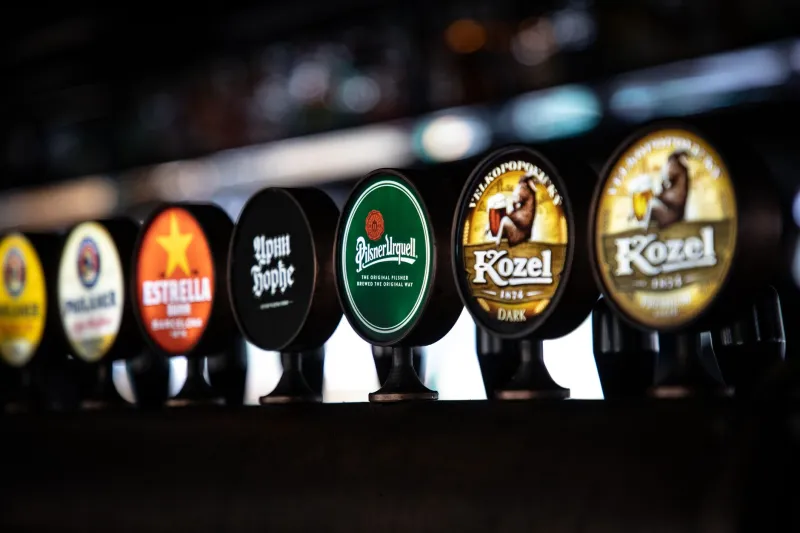
Walk into your local these days and take a careful look at the bar. Not at what's on the taps — at what isn't. Across the country, in market towns and city backstreets alike, those distinctive swan-neck handpumps are disappearing. Sometimes they're replaced by a sleek keg font. Sometimes there's just a gap, a blank stretch of bar where a row of clip badges once told you what was pouring. And more often than not, nobody's making a fuss about it.
That silence is telling.
Cask ale — real ale, in the parlance of CAMRA devotees — has long been held up as the beating heart of British pub culture. It's the thing that separates our pubs from bars everywhere else in the world. Properly kept cask is, at its best, a genuinely extraordinary drink: alive, nuanced, served at cellar temperature with a texture and complexity that no pressurised keg can quite replicate. But the operative phrase there is properly kept. And that, increasingly, is where the trouble starts.
The Cellarmanship Problem Nobody Wants to Talk About
Maintaining a cask ale programme is not simple work. It demands consistent footfall, careful temperature control, disciplined venting and tapping, and — critically — a landlord or cellar manager who genuinely knows what they're doing. Get it right and you're serving something transcendent. Get it wrong and you're handing a customer a pint of warm, flat, vinegary disappointment and wondering why they didn't come back.
That inconsistency is the crux of the issue. Many landlords who've made the decision to pull back from cask will tell you, off the record, that the quality simply wasn't reliable enough to justify the effort. A busy Friday might see a firkin fly out in perfect condition. A quiet Tuesday could leave the same cask sitting too long, turning before it's finished. The maths stops working, and the reputation suffers.
"I love cask," one East Midlands landlord told us, who asked not to be named. "I grew up on it. But I was throwing money down the drain and serving beer I wasn't proud of. Something had to give."
He's not alone. Anecdotal evidence from pub trade forums and regional licensee groups suggests this conversation is happening quietly but persistently up and down the country. The pandemic accelerated things — pubs that mothballed their cask lines during closures sometimes found it easier not to restart them. Staff turnover since then has stripped out institutional knowledge. And the economics of running a pub in 2024, with energy costs, business rates, and squeezed margins, leave precious little room for a product that punishes inconsistency so harshly.
What the Numbers Are Suggesting
The British Beer & Pub Association has reported steady declines in cask ale volumes over recent years, a trend that predates the pandemic but has visibly steepened since. Independent off-trade data shows craft keg and premium lager continuing to grow their share of the bar. CAMRA, for its part, has been vocal about the threat — though critics argue the organisation sometimes struggles to separate genuine advocacy from nostalgia.
The picture isn't uniformly bleak. Certain regions — Yorkshire, parts of the Midlands, the traditional real ale heartlands — show far more resilience. Wet-led community locals with loyal, older customer bases are often still selling cask through thick and thin. The problem is more acute in urban areas, in gastropubs chasing a younger demographic, and in venues where the customer mix has shifted significantly toward lager, craft keg, and wine.
For those operators, cask ale can start to feel like a liability: a product that requires expertise they can't always retain, that generates waste when volumes drop, and that a growing proportion of their customers aren't ordering anyway.
The Keepers of the Faith
Not everyone is retreating. There's a cohort of landlords — stubborn, passionate, and quietly furious about the direction things are heading — who've doubled down on cask and made it the centrepiece of their identity.
Take the kind of pub you'll find celebrated in CAMRA's Good Beer Guide year after year: places where the cellar is treated with genuine reverence, where the landlord can tell you the exact gravity of every beer on the bar, and where a pint of something properly conditioned is the whole point of the exercise. These are often the pubs that have survived every economic headwind precisely because they've committed to doing one thing extraordinarily well.
"If you're going to serve cask, serve it properly or don't bother," says one West Yorkshire free-house landlord who's been running the same pub for over two decades. "The problem isn't cask ale. The problem is bad cask ale. And there's been too much of it."
That's a view shared by many in the craft brewing world, too. Brewers who've built their reputations on cask — and there are still plenty of brilliant ones — will tell you that the issue isn't the format, it's the handling. A well-brewed cask bitter, served in peak condition, is an argument in itself. The tragedy is that too many drinkers have never actually experienced that, because what they've been served has been a pale, stale imitation.
Standards, or the Lack Thereof
And here, perhaps, is the most uncomfortable part of this conversation. Cask ale's slow retreat from British bars isn't purely a story of changing tastes or economic pressure. It's also, at least in part, a reckoning with standards that have been quietly slipping for years.
For much of the late twentieth century, the real ale revival championed by CAMRA focused — rightly — on preserving the format. But format isn't the same as quality. A badly kept cask of a mediocre bitter is still a badly kept cask of a mediocre bitter, regardless of how many handpumps surround it. The fetishisation of the handpump itself, some argue, allowed a certain complacency to creep in — an assumption that cask equals good, automatically and by definition.
It doesn't. It can be extraordinary. But it requires investment, skill, and genuine care. And in a pub trade operating under severe financial strain, those things are harder and harder to guarantee.
What Happens Next
The optimistic reading is that what we're witnessing is a painful but necessary correction. The pubs that drop cask because they can't do it justice are, in a grim way, doing the format a favour — removing bad ambassadors from the equation. What remains, the argument goes, will be better: fewer outlets serving cask, but those that do serving it with real commitment and competence.
The pessimistic reading is that once a pub removes its handpumps, they rarely go back. That each closure of a cask programme is a small, permanent loss — another local where a future generation of beer drinkers will never develop a taste for it, because they've never been offered the chance.
Both readings are probably true, to some degree. British pub culture is not static — it never has been — and cask ale's place within it will keep evolving. But the pace of that evolution, and the direction it's heading, is something worth paying close attention to.
Because if the handpump does quietly vanish from the British bar, we won't just have lost a dispense method. We'll have lost something that's genuinely ours — complicated, demanding, occasionally maddening, but at its best, utterly irreplaceable.